Notes for specifying a label feeder

Written for the questions that come up before a label feeder is specified. Each one starts with the answer, then the reasoning, then the detail.
Frequently Asked Questions

What are the two inputs that decide a label feeder model?

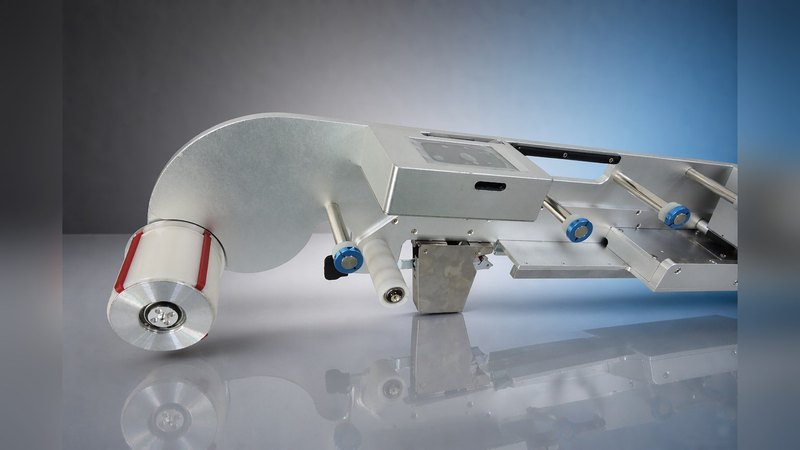
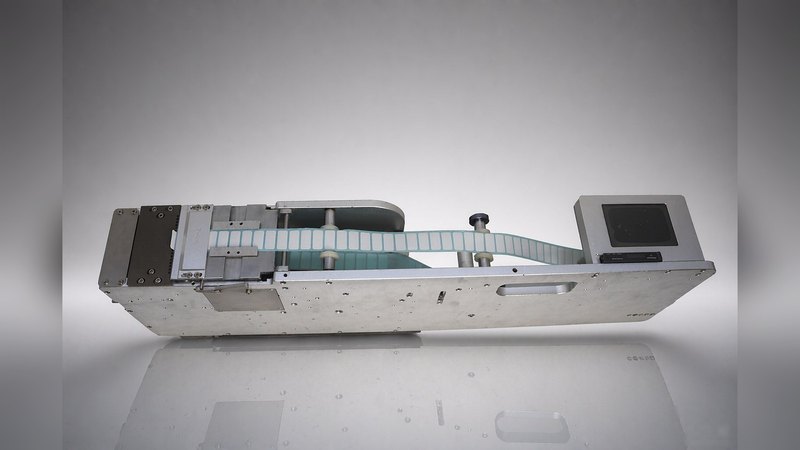
The placement machine you run, which sets the model prefix, and the widest label you have to place, which sets the number after the dash. Offered sizes run 32, 60, 100, 150, 200 and 250, so LFSID-250S covers up to 248 mm of label width. A model takes any label up to its stated limit.

What stays the same across all BestFeeder label feeder models?

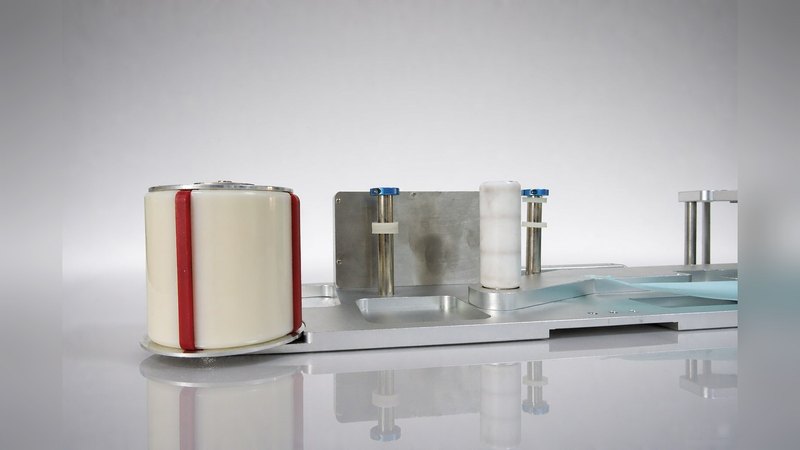
Positioning accuracy is ±0.2 mm and angle accuracy ±0.5°. Feeding speed is adjustable from 1 to 100, and the body is hard aluminium with steel parts. The reel takes a 76.2 mm bore and a 200 mm outer diameter as standard, and supply is DC 24 V. Because those are common, the choice comes down to mounting and label size.

Which technical note should I read first?

Start with the selection note if you already know the placement machine and the label size; it maps both to a model. Read the wiring note if the feeder has to talk to the machine, the stripping note if the adhesive has to face down, and the inline-versus-offline note if you are still deciding whether the label belongs on the placement machine at all.

By production situation: Solutions

All technical notes

Sheet Feeder Unstable Picking

Each cycle of a sheet feeder involves film peeling, suction, two-stage feeding and signal output. Any timing mismatch causes missed picks or double sheets.

Do Eight Label Feeder Checks After Idle Time

Restarting an SMT label feeder after idle time? Use these eight checks to spot common issues early and plan maintenance before production resumes.

Wear Parts and Inspection of Label Feeders

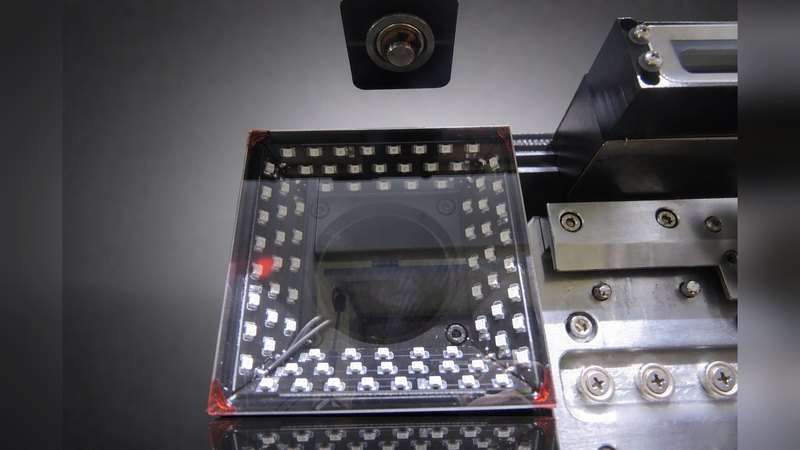
The wear parts of a label feeder are concentrated in three locations: peeling and discharge, guiding and pressing, and fiber-optic detection.

Where Label Placement Deviation Comes From

A label feeder delivers labels to the pick position; deviation falls into two types: mechanical reference offset and unstable tape feeding.

Classic Label Feeder: How the Three Width

The classic label feeder comes in three tiers: LFS-60 / 100 / 150, covering label widths of 5–58, 5–98, and 5–148 mm, with up to 12 columns.

Label Width 58 to 248 mm: How to Match the

Top-display label feeders come in five tiers by label width, from 5–58 to 5–248 mm. Each step up changes body size from 450×90×320 mm to 570×380×410 mm, weight.

Label Feeder Inquiry: Gather These Four Items

Most back-and-forth on label feeder inquiries stalls because four figures are missing: label width and length, reel specs and liner, placement machine.

How Many Label Feeders Does One Line Need

The number of label feeders is not the number of placement machines multiplied by a factor, but the sum of label specifications on machines simultaneously.

How to Set Up a Fiber Optic Sensor: Detection

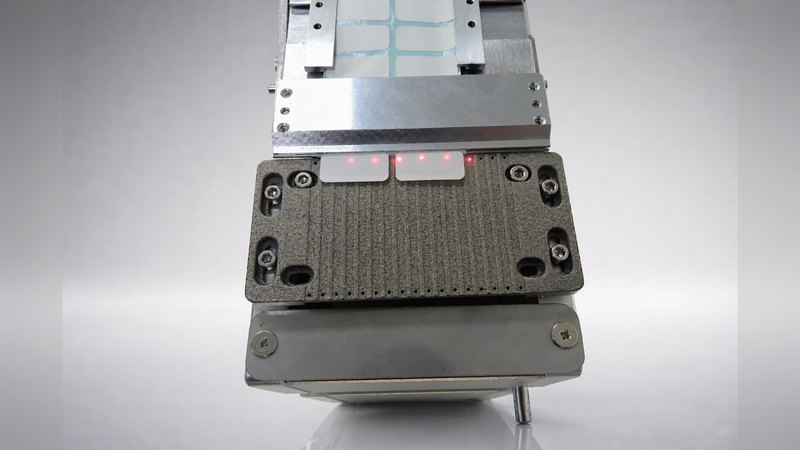
Label feeders use fiber optic sensors to determine whether a label has reached the peeling platform. There is only one rule for setup: the working set value.

How to Automatically Feed Barcode Labels for

Labels for home appliances and power boards fall into three types: nameplates, barcodes, energy-efficiency and warning labels, with widely differing sizes and.

Daily Maintenance of Label Feeders and Common

Label feeder jams mostly occur at a few adjustable parts along the threading path: reel limit ring, guide width slider, pressing plate height, discharge table .

How to Choose a Labeling Machine: Multi-Head

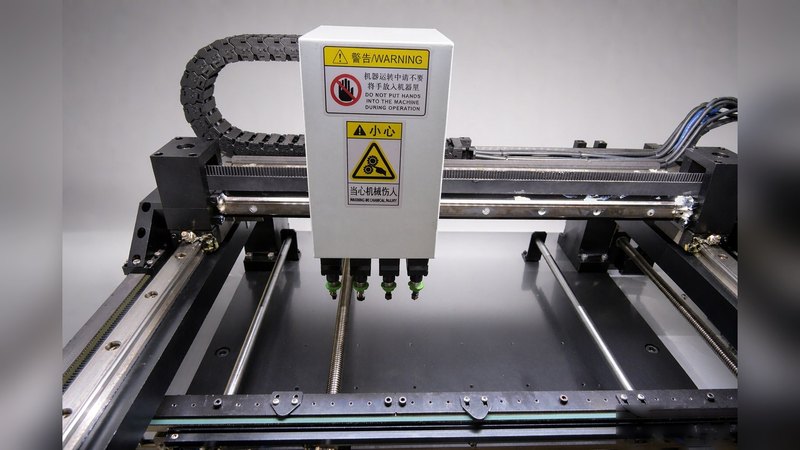
BestFeeder labeling machines fall into three structural lines: multi-head vision, single-head robotic arm, and belt track.

Automotive Trace Labels: Stable Feeding and

Automotive trace, QR and warning labels are mostly roll-fed, varying in width and peel difficulty, while lines demand long uptime.

Feeder Feeding and Mounter Takt: How to Match

Two common issues after installing a label feeder: empty feeding and incomplete feeding. They mostly occur when feeding position, feeding speed, and feeding de.

Medical Electronics and Devices: Stable

Labels on medical electronics and devices are small and varied in material, and traceability QR codes require stable positioning.

New Energy Battery Modules: Automatic Feeding

Insulation sheets, thermal pads, metal sheets, and warning labels for battery modules mostly come in roll form, with wide variations in width and thickness.

One Label Feeder, Six Types of Roll Materials

Paper labels, FPC stiffeners, Mylar tape, foam, dust mesh and high-temp tape all run on a label feeder. Changeover means resetting the stop collar, guide width.

Three Common Causes of Dual-Lane Tape Drift

Dual-lane tape drifting at the pick position: check three spots first—whether the reel stop ring limits the reel, whether the label guide width block matches t.

Label Position Two-Stage Tuning: Fiber

When labels are under-fed or over-fed, two-stage tuning solves it: the fiber sensor first judges material present or absent, then the touchscreen adjusts feed .

Site Conditions to Check Before Installing a Label Feeder

Check site conditions before installing a label feeder: 24 V DC supply with 2 A or more, an install spot away from heat and water, protection for the peeling k.

How to Verify Feeder Mounting Position by Body Dimensions

Width follows label width from 40 mm to 380 mm. Check machine slot size and height, then body dimensions and reel OD 200 mm, then nozzle pickup travel.

What Determines Continuous Sheet Feeding Stability

Sheet feeders use a magazine stack and liner paper traction instead of feed wheels, with a 2~3 s cycle. Stability depends on magazine pressure, anti-stick plat.

From single-lane to multi-lane: confirm four

A single-lane feeder runs one material; a multi-lane feeder supplies several materials side by side at one station. Before upgrading, confirm total tape.

Roll Feeder: More Than Just Labels

A roll feeder also runs FPC stiffeners, Mylar tape, foam and dust mesh. The roll interface is the same; tension, thickness and platform surface change.

Small Label Feeding on 3C SMT Lines

A 2 mm label is not a small 60 mm label. Narrow tier: 2-23 mm, one lane, one fiber sensor, multi-layer position correction, matched platform surface.

The Lower Paper Length Boundary of Sheet Label

Sheet label feeders do not run roll material; they rely on a magazine and lower paper traction to peel labels. The lower paper lengths of PLF-100, PLF-200.

Custom Labeling Station: 12 Inputs We Need

A custom station cannot be quoted from a photo of the part. Twelve inputs decide the station count, the takt and the price.

Cutting Changeover Time with Feeder Setup

Changeover work splits into five groups. Loading and checking feeders on a bench before the line stops is the part that needs no new machine.

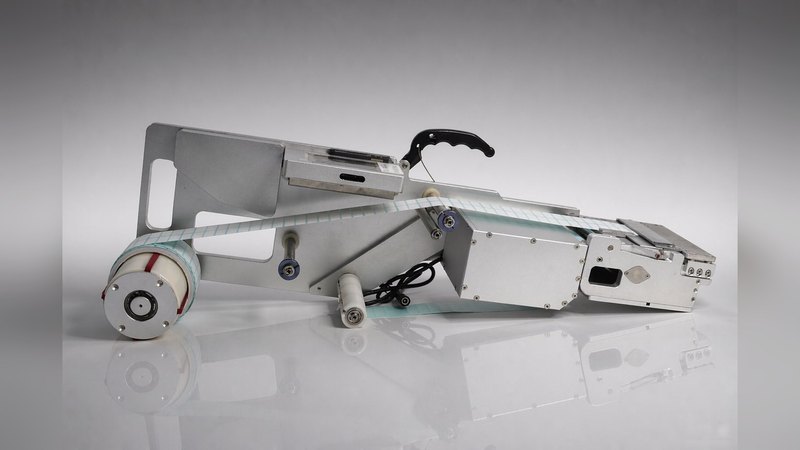
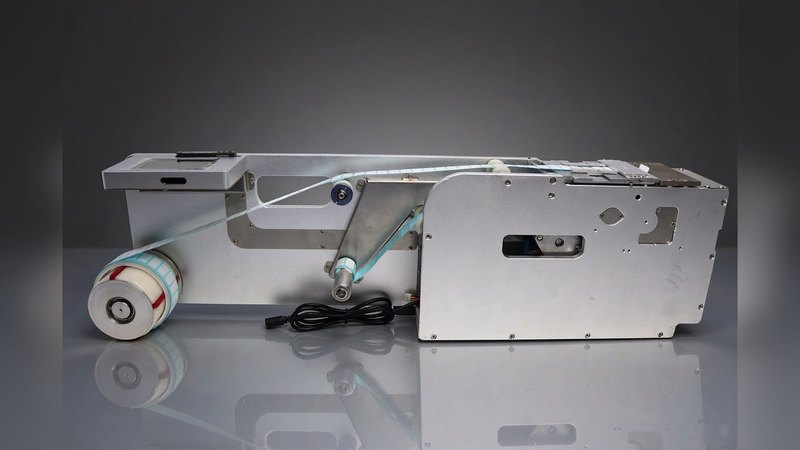
Four Label Feeder Structures and When Each Fits

Reel or sheet, adhesive side up or down, placement machine or custom rig: the four structures behind LFSID-xS, LFHZXB, LFS and PLF feeders.

Labels as Components: How a Label Feeder Works

Inside one machine cycle: reel feed, push stripping, nozzle pick. The specs that decide whether a label feeder fits your placement machine.