
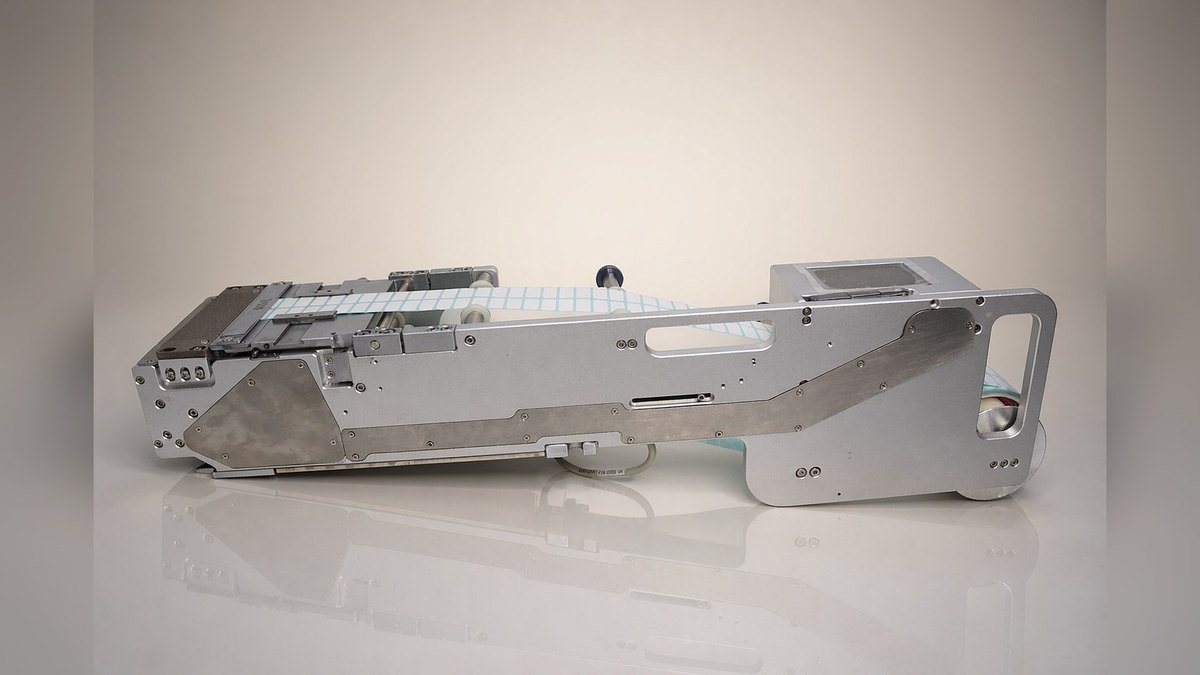
LFSID-200S L/R
Label Feeder · Non-standard automation / custom placement machines
Production unit photos
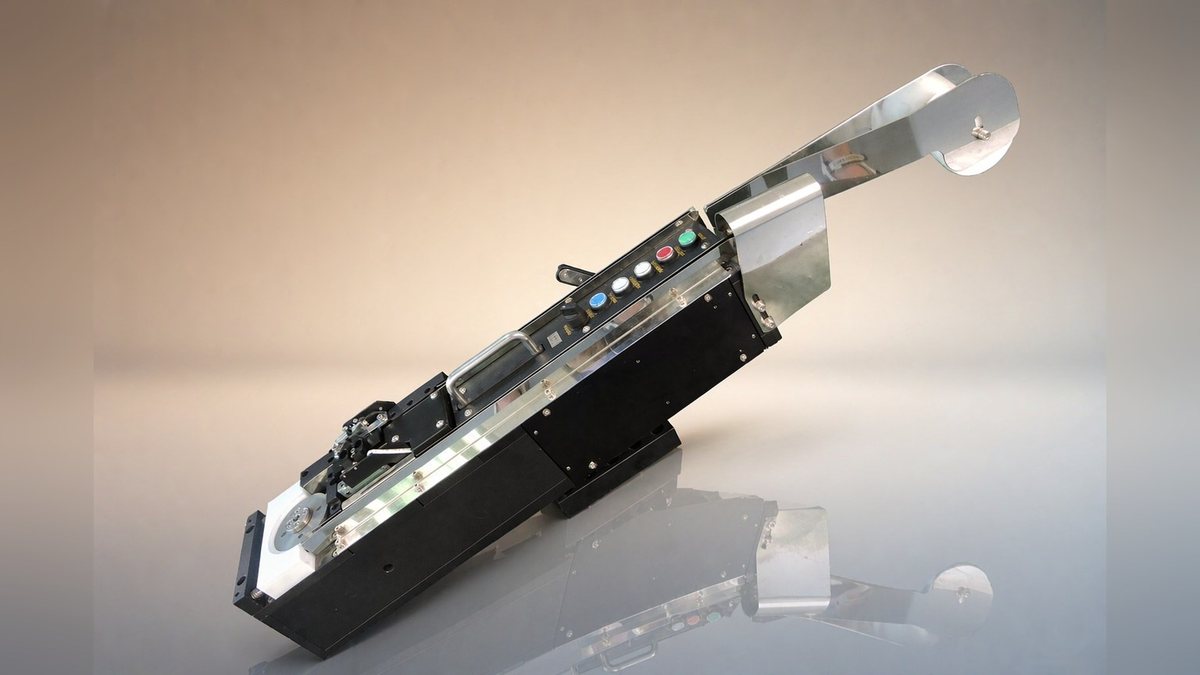
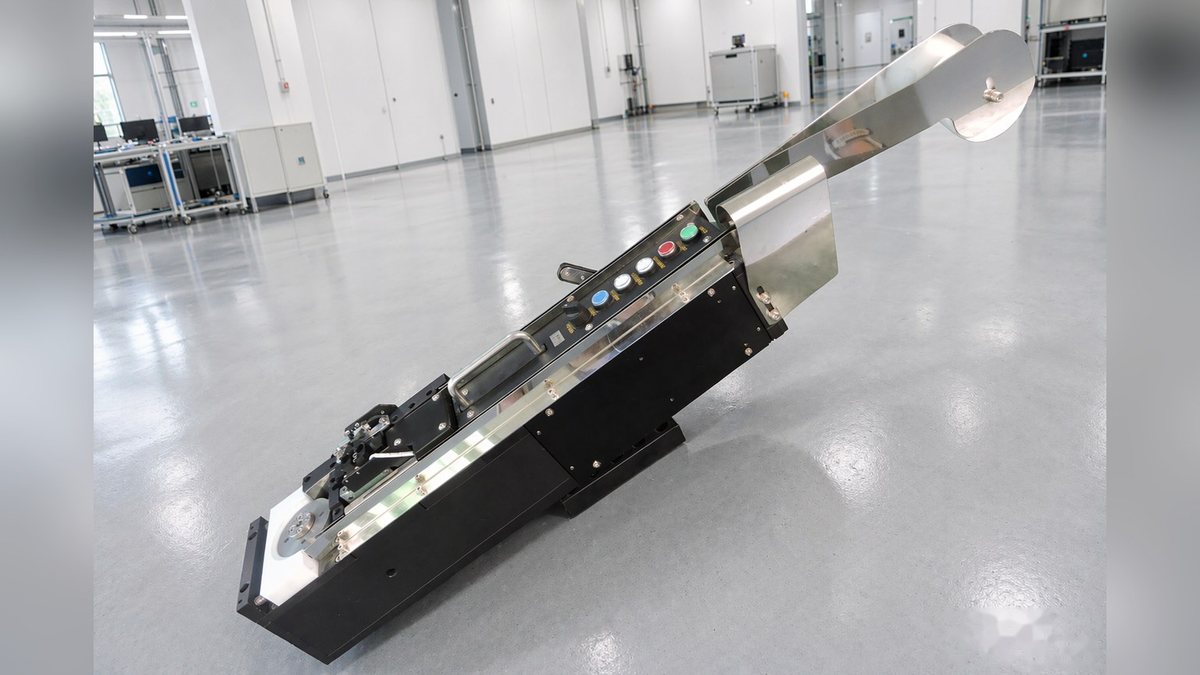
Specifications
| Item | Specification |
|---|---|
| Model | LFSID-200S L/R |
| L×W×H (mm) | 450 × 220 × 320 mm |
| Weight (kg) | 17 kg |
| Label width (mm) | 5–198 |
| Label length (mm) | L2–40 |
| Fiber sensors | 1–14 |
| Material lanes | 1–14 |
| Loading side | L = left loading, R = right loading |
Values are the manufacturer's published figures. Dimensions are the feeder's own outer envelope, not the space it needs on the platform. All models in this line →
Specifications common to the whole series
| Item | Specification |
|---|---|
| Positioning accuracy | ±0.2 mm |
| Feeding speed | 1–100, adjustable |
| Angle accuracy | ±0.5° |
| Position adjustment | Fiber sensor + touch panel |
| Feeding cycle | 0.1–2 s |
| Stripping method | Forward push stripping |
| Communication signals | Material signal + feeding signal |
| Supply voltage | DC 24 V |
| Supply current | 80 mA average; 1 A peak |
| Drive motor | Servo motor |
| Applicable package | Roll paper tape, packaging tape |
| Suitable material | Labels, metal pieces, foam, thermal pads |
| Reel diameter | Bore 76.2 mm, outer diameter 200 mm (other sizes on request) |
| Production counter | 0–9,999,999 cycles |
| Body material | Hard aluminium + steel parts, surface finished |
| Anti-stick platform | PTFE coated; white or red silicone optional |
| Operation | Touch panel, English / Chinese |
| Warranty | One year |
These values are the same for every model in this line. Only the table above differs between models. All models in this line →
Ask about this model
Send us the placement machine and the label size you run. We will confirm the model and quote.
Related technical notes
How to Choose a Label Feeder Model
Two inputs decide the model: the placement machine you run, which sets the prefix, and the widest label you place, which sets the number after the dash.
Wiring a Label Feeder into a Placement Machine
Material signal, feeding signal and standalone mode: how the yellow and green wires work, and the 24 V supply figure that is easy to misread.